Alta Quanto Design for Disaster Preparedness
Alta Quanto is an investigation into how to design communication to prepare flood-prone communities for unexpected disasters. Specifically, Alta Quanto is a co-designed digital product to prepare Venetian for exceptionally high tides.
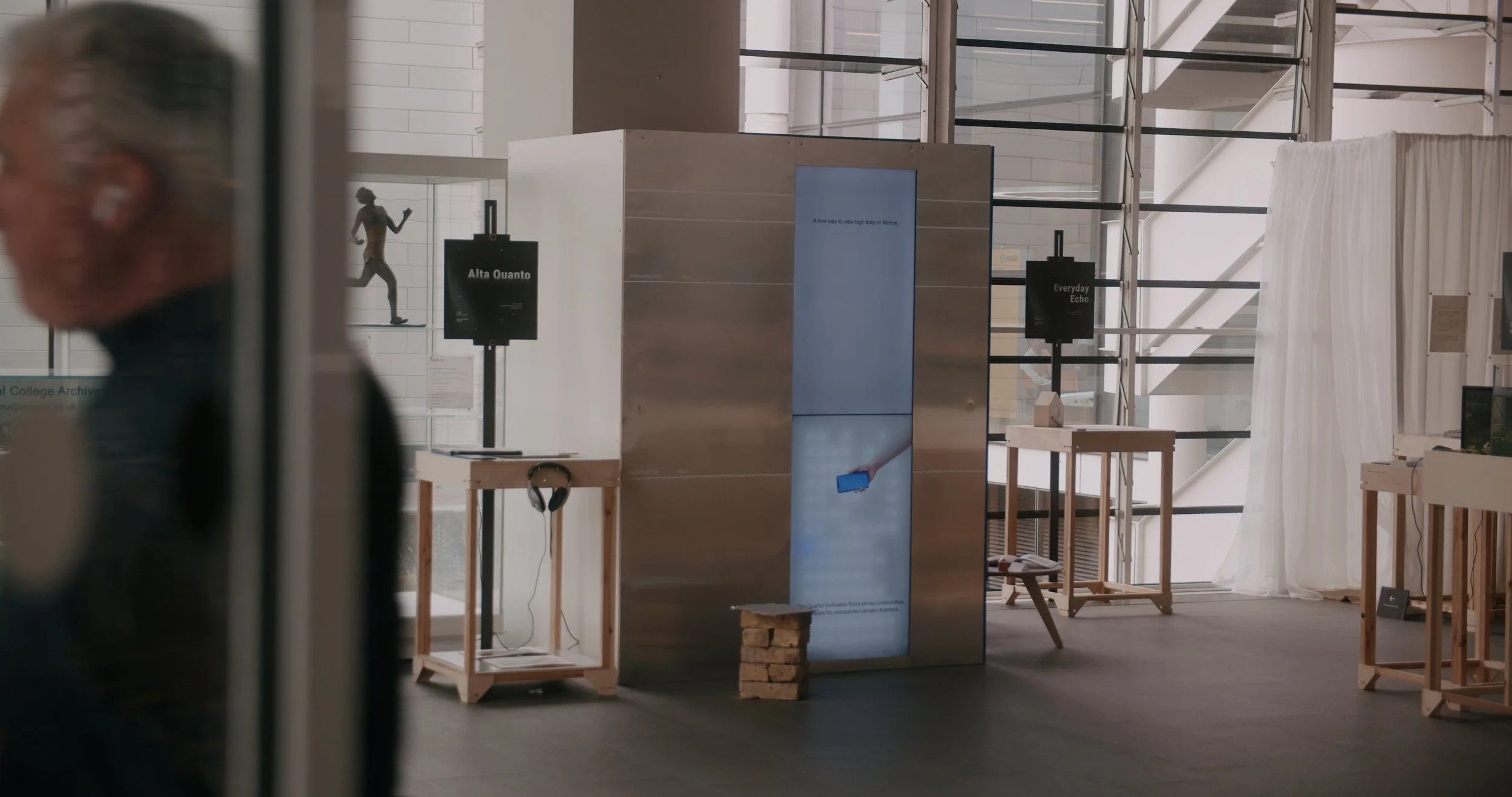
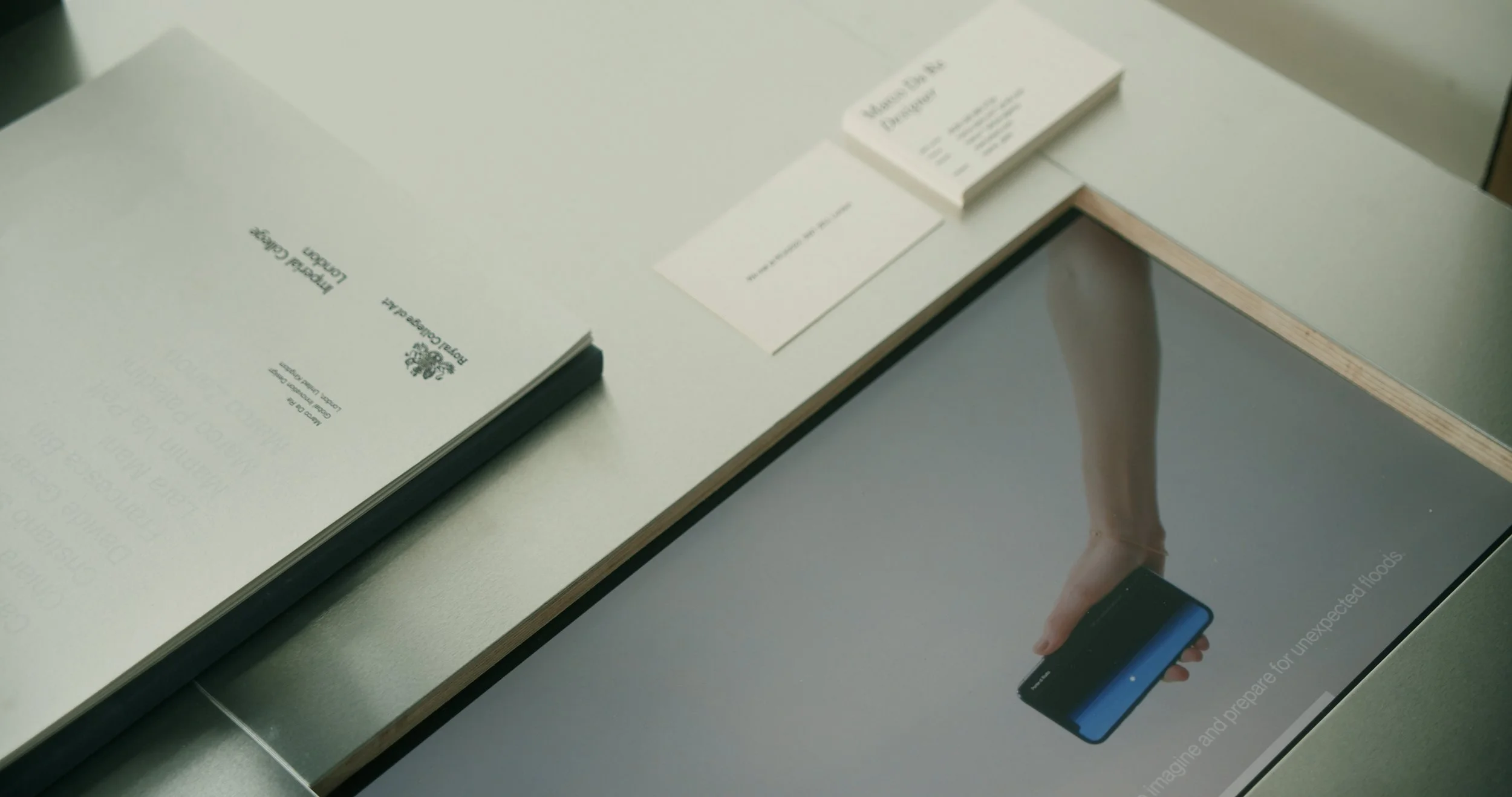
Currently exhibiting in Milan at the ADI Design Museum - Italy: A New Collective Landscape curated by Angela Rui.
Design Research
Digital Product
2022 - Present
CONTRIBUTORS
The Centre for the Study of Existential Risks – University of Cambridge
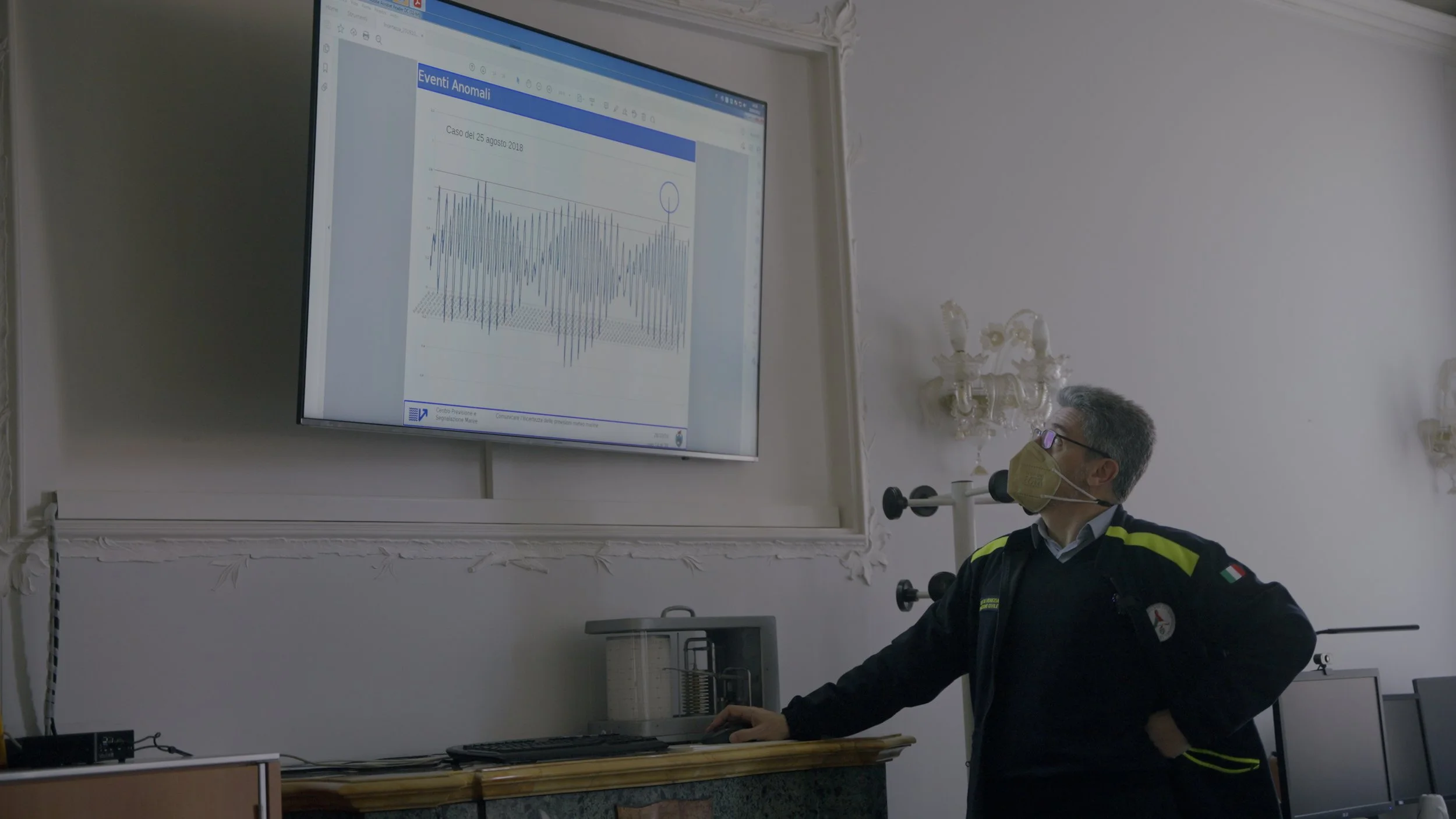
Centro Previsioni e Segnalazioni Maree – Comune di Venezia
Wellbeing Technologies Lab – Imperial College London
AWARDS
2023 IxDA Interaction Awards Finalist
Italy: A New Collective Landscape (2023)

1.1 – Alta Quanto, Project Presentation
I find existential disasters fascinating and, at the same time, terribly frightening. The discussions with The Centre for the Study of Existential Risk (CSER) at Cambridge University about their projects on preparing communities for existential disasters –such as nuclear wars or deadly volcano eruptions– have made me realise that risk communication design is a wicked discipline: how do you communicate the arrival of a potentially catastrophic event? [1, 2] CSER inspired me to choose Venice and its unexpected extreme rare events as a case study [2].
Although a paradox, these tragic situations - including Covid-19 and recent wars - can teach how to generate communication that cares for people's mental health and preparedness. These current crises challenge our usual way to think (about) the future. There is a strong potential for designing new concepts to rethink the limits of knowledge on the subject. The uncertainty that characterises all times of crisis urges us to question the strategies and tools available to us, understand the current context, and change them through design.
Communication design in this scenario plays a vital and fundamental role. It can either increase or decrease people's vulnerability to disasters [3]. Moreover, if not carefully designed, risk communication could exacerbate the risk of mental health problems and thus leads to less effective preparedness [4, 37].
Regardless of the type of crisis, risk communication maintains certain characteristics in terms of homogenisation of target and media, low investment, and consequent slow implementation. This sector lacks creativity and measurable and well-designed experiments.
This project is an exploration to create designs, visions and proposals (research through design) after critically analysing its on-field application (research on design). As Paola Antonelli says, 'Design is about Life [...], and there’s no moment when there’s no emergency, violence or health crisis [...] Let’s do something to highlight the importance, versatility and pragmatic imagination of design [5]’.
Preface
In recent years, the average water tide and frequency of exceptional high tide events in Venice have increased, like other climate-related events worldwide. Designing disaster preparedness - and making it engaging and effective - has become vital to improving vulnerable communities' resilience.
Context

Venetians have always lived with the natural phenomenon of 'acqua alta' (high tide) and have got used to living with it.

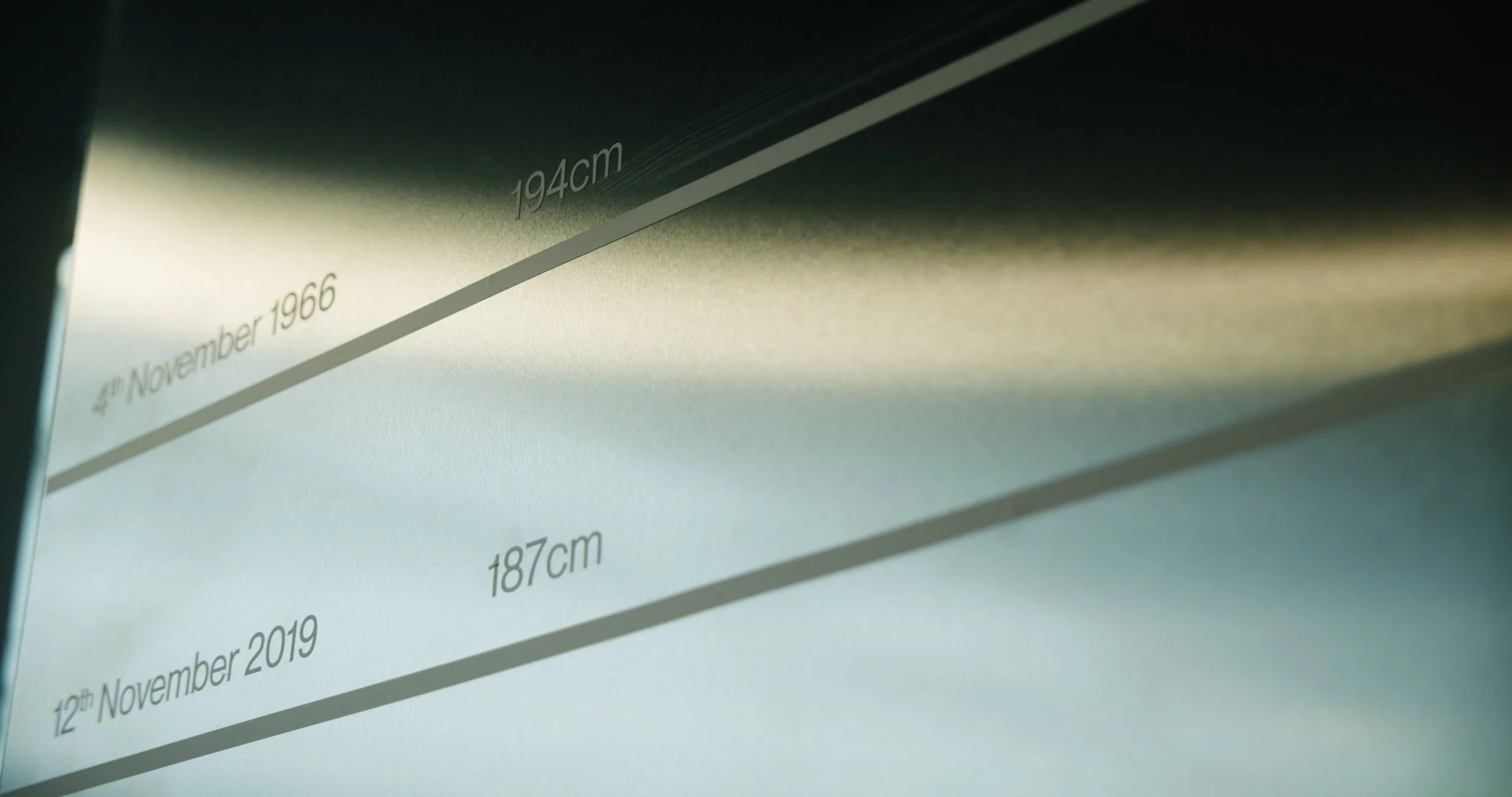
In 2019, however, Venice experienced an unexpected high tide of over 187cm above sea level, the second-highest in history. This event found the citizens unprepared.

Alta Quanto
1.2 – Alta Quanto, The interface
DIGITAL PRODUCT
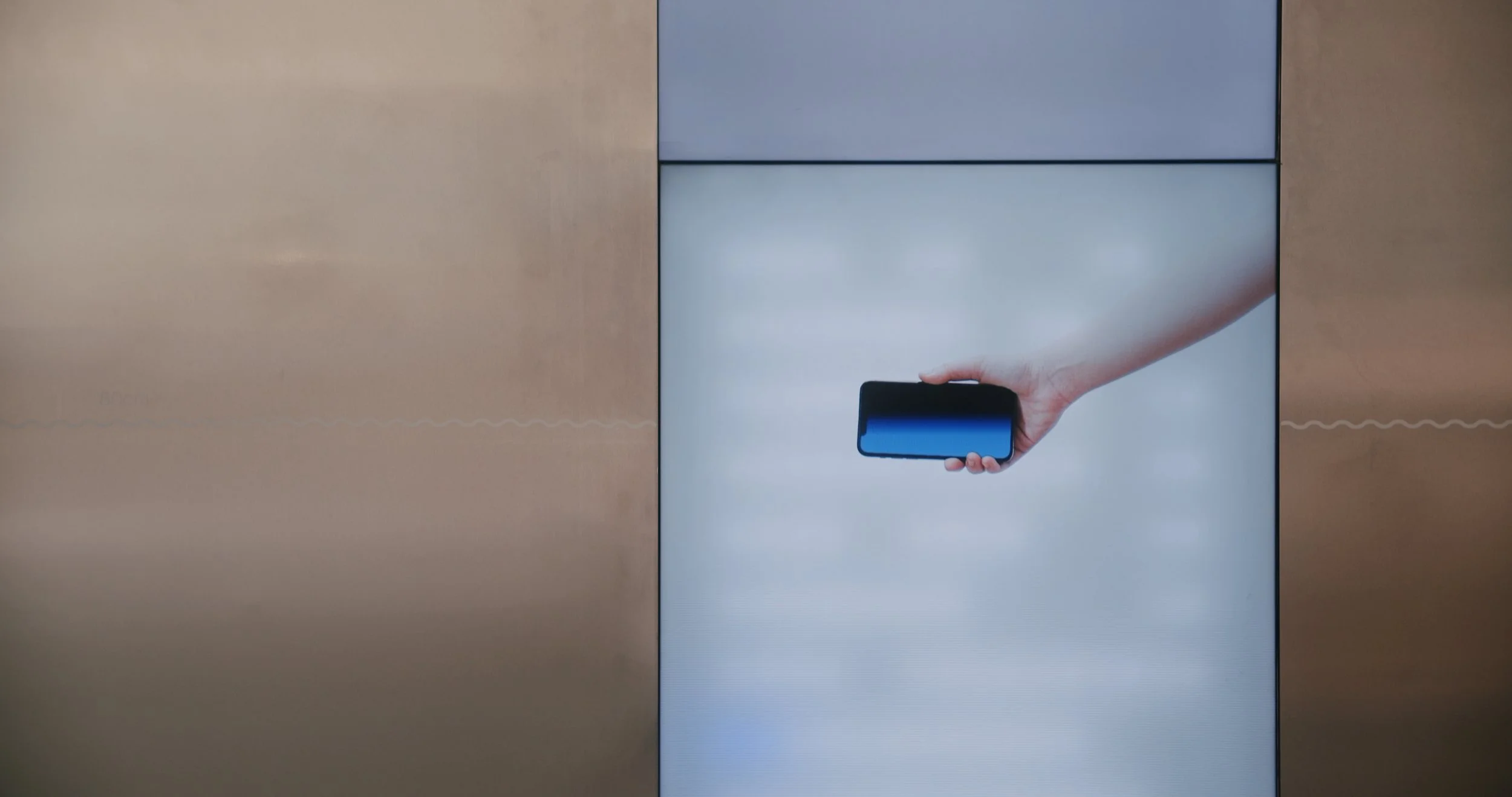
Alta Quanto is a digital product that relates tide height predictions to one’s body and surroundings (Figure 1.3) by moving the phone up and down (Figure 1.2).
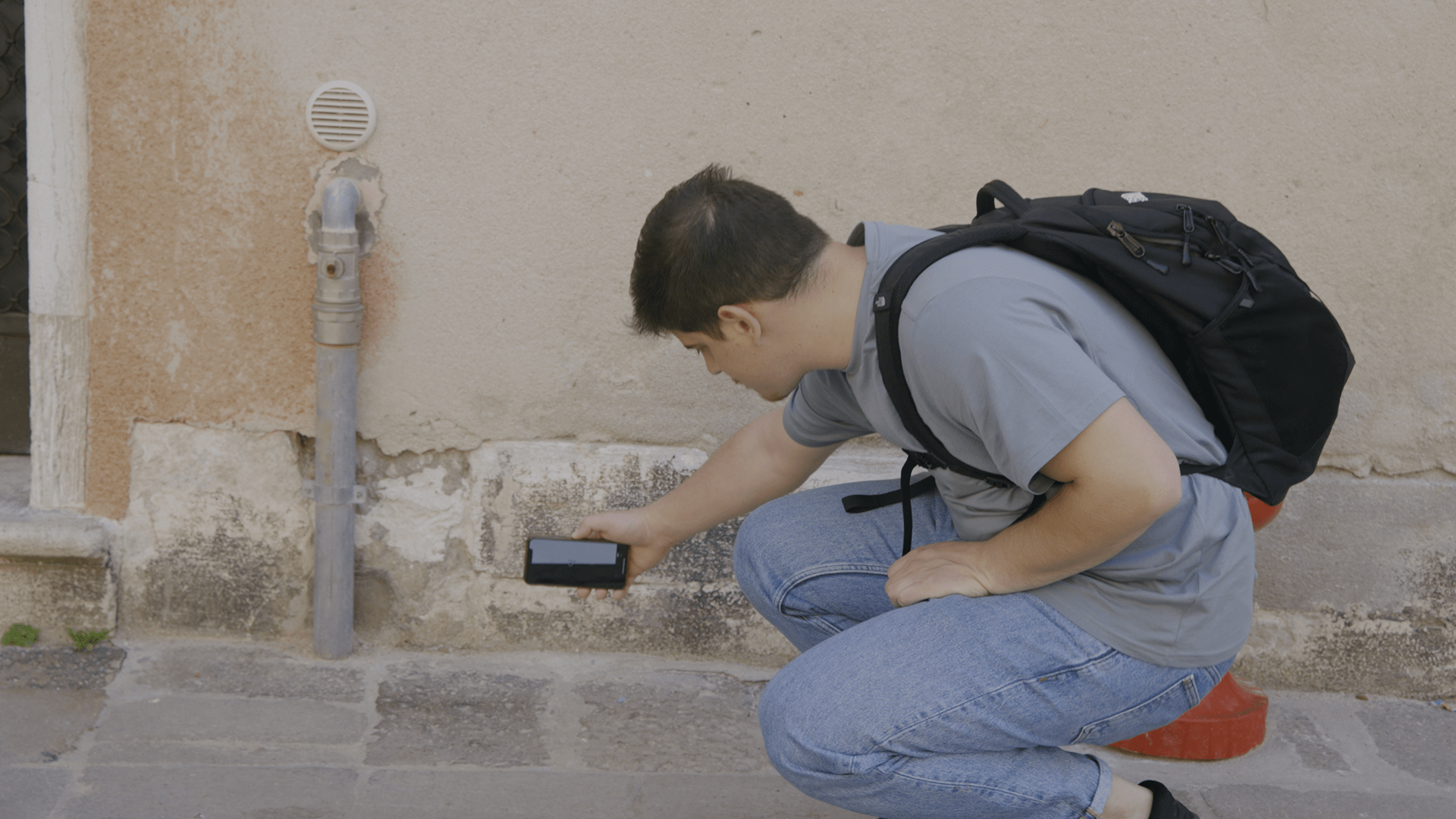
1.3 – Alta Quanto, Testing
By understanding at what height the tide might come in and where it has come in over the years, the user is motivated to adequately protect himself from unexpected flooding. Alta Quanto is not a new app to download, but it complements the existing system used by Venetians to monitor high water.

1.4 – Alta Quanto, Interface
DESIGN FOR DISASTER PREPAREDNESS FRAMEWORK
The Design for Disaster Preparedness Framework is the result of the investigation on how to design effectively for disaster preparedness. It is the result of the deep investigation of the key concepts of communication theory, user experience design and psychology reorganised from a design perspective.

1.5 – Design for disaster preparedness framework
It is divided into four sections: (1) Interface and Flow Architecture, (2) Form for Messaging and language, (3) Content for Messaging and language, and (4) Community and Connections. The framework is used to inform the case study of this research: the design proposal, Alta Quanto.

Process and methodology
1.6 – New ways to prepare flood-prone communities for unexpected climate disasters
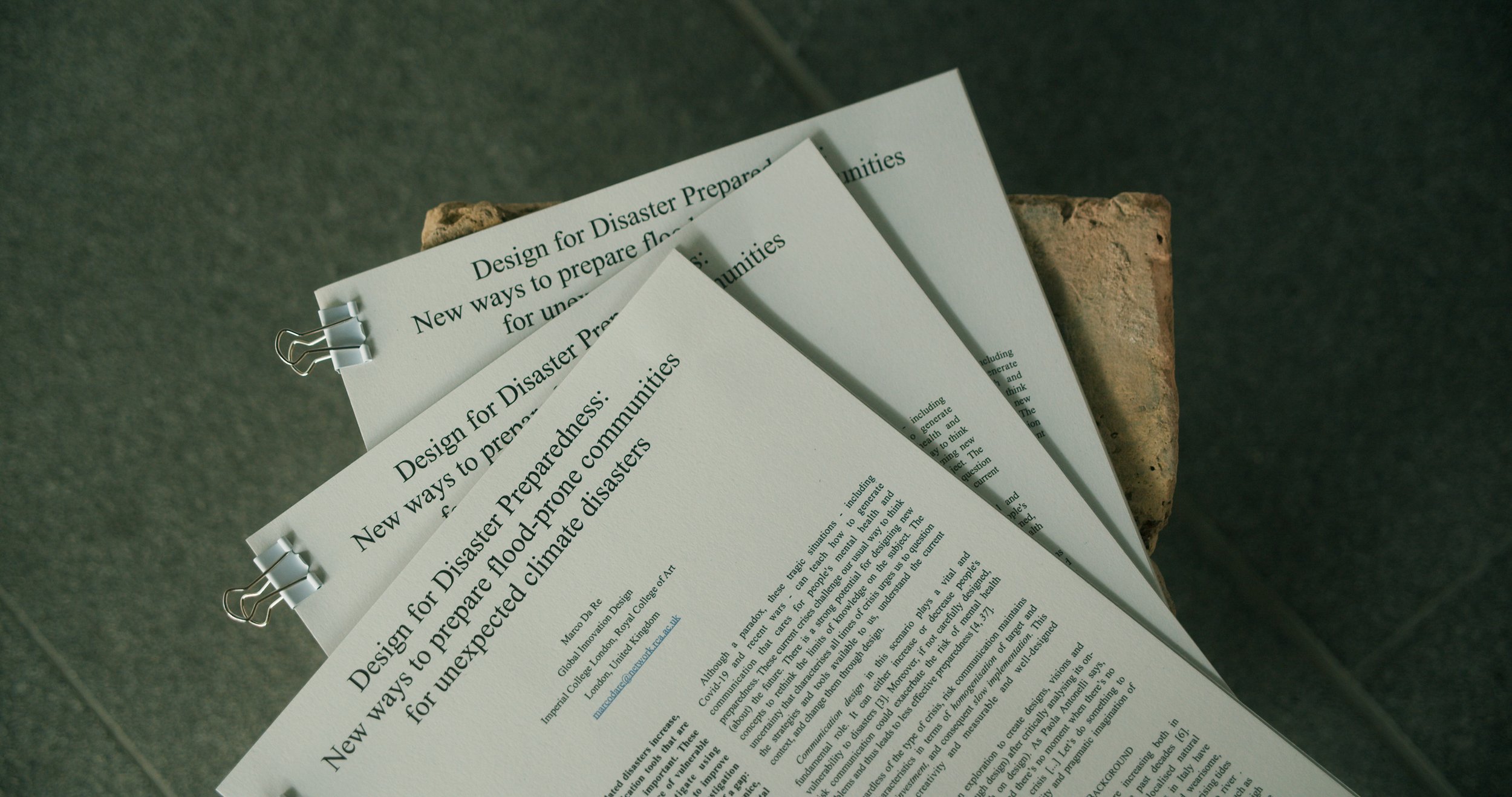
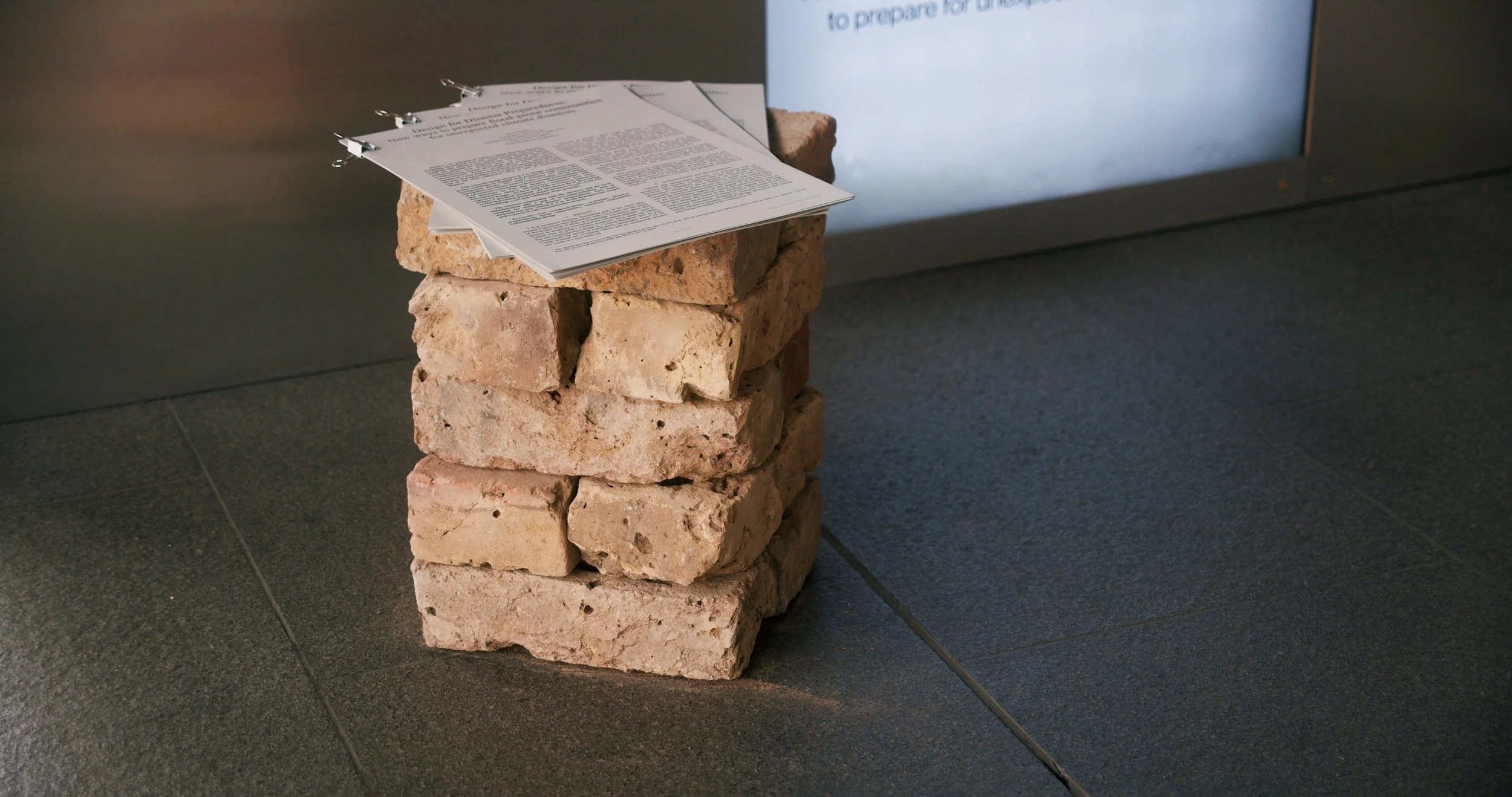
In the report New ways to prepare flood-prone communities for unexpected climate disasters the entire process of the project is described.
This design study includes (1) background information on climate-related events in Venice; (2) the design of a framework containing critical learnings from existing tools and literature on risk and disaster communication, self-determination theory, advertising, semiotics and user experience design; (3) three field trips in Venice to inform the design; a practical proposal – Alta Quanto, the interactive flood forecasting system that relates potential climate disasters to one's body and surroundings–; test and validation of the proposal.
The constant relationship with the citizenry and the local administration fills a gap of non-communication that is essential for designing disaster preparedness. This study demonstrates how crucial it is to avoid homogeneous targets and contents in risk communication choices.
-
![]()
Field observation
-
![]()
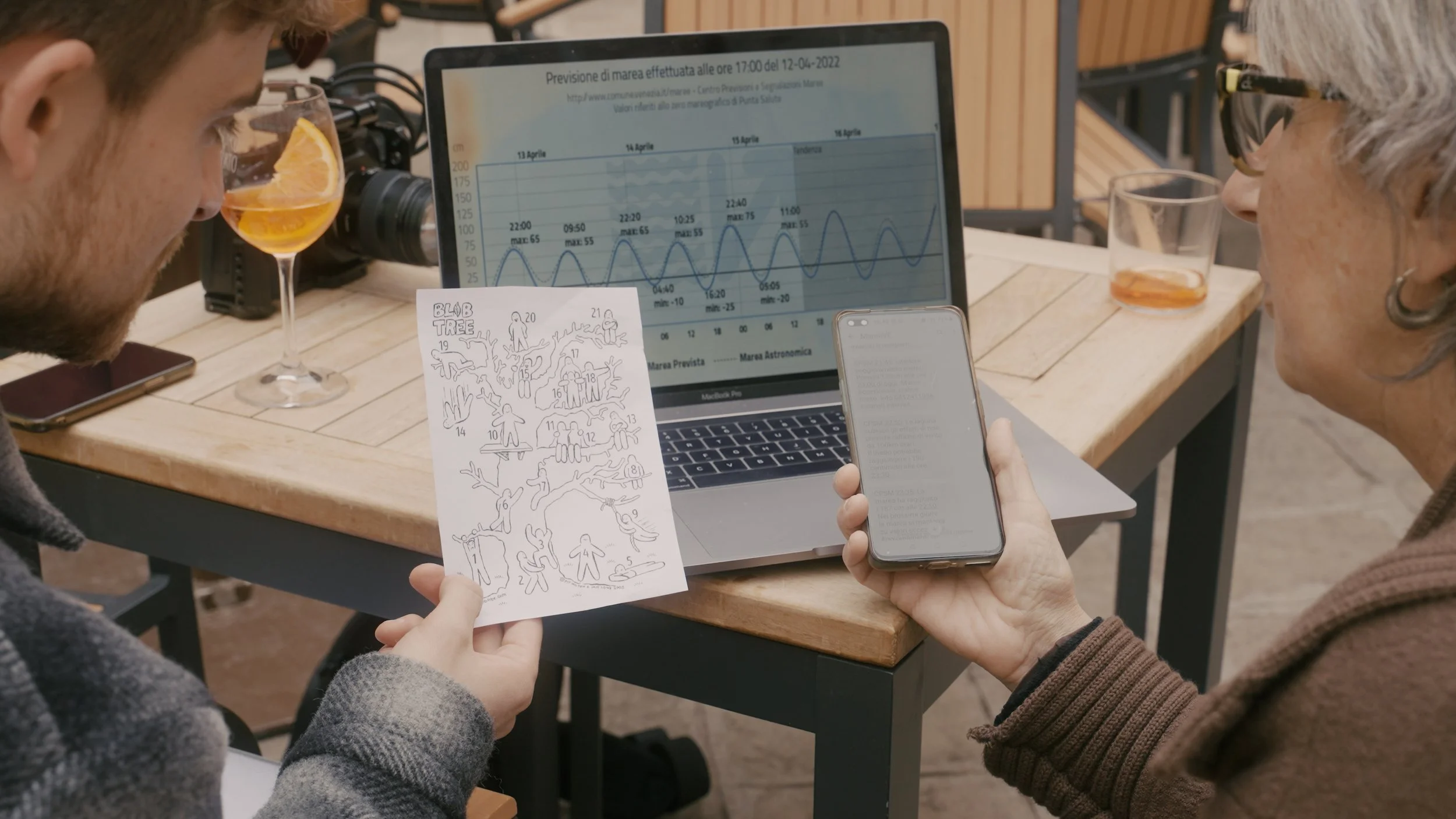
Cultural Probes: A small kit of probes has been developed to let the insight gathering continue after the physical meeting
-
![]()
Field observation
-
![]()
Ethnographic study with the local community
-
![]()
Early-stage prototype testing
-
![]()
Workshop with Alvise Papa – Centro Previsioni e Segnalazioni Maree - Local Gov of Venice
-
![]()
First iterations with the locals


A research-driven and user-centred methodology is adopted. The 'Design Science Approach to Integrating Usability into Agile Requirements Engineering' [28] is adopted in the second half of the project (3α). The experimentation and prototyping process is informed by a sustained research strand (Chapter 3, Literature Review) (1α, 2α).
Three field trips (Study 1, Study 2, Study 3, in 3α e 4α) involving the final users and the Venetian local government help to establish an intimate connection and understanding of the environment. Frequent discussions with experts in risk communication help to deepen the understanding of the topic. Project activities are informed and refined through continuous stakeholder and user engagement (β1-4).
-
The project starts with a research and exploration phase: finding the why, focusing on the question and the challenge to undertake; building a project timeline; creating a set of tools to be able to collect information throughout the project (sketchbooks, obsidian, Miro); creating a database of selection of events, stakeholders, potential users, start sketching instinctively.
GOAL: Achieve the design goal and are mainly desk research.
METHODS: Concept Mapping, Audience Design -
The second phase synthesises the previous one: the first ethnographic trip to Venice; sketching (free ideation inspired by interviews and failed existing ideas) and framing (insights and opportunity, case study selection);
Other activities are: design of the Cultural Probe Kit, user research strategy and first field observation; setting up and starting running stakeholder interviews; digital ethnographic study; first expert assessmentGOAL: Design Brief Definition
Simplify the understanding of the high water phenomena; Fulfill the basic psychological needs; make people understand the potential consequences of unprecedented disaster in relation to the surrounding environment;
Design an object of daily use for the target audience;
To involve the community in a co-design process, stimulate the collection of the memory of community experiences;
-
The third phase is about ideation and co-design. It aims to obtain several early-stage prototypes. It’s a participatory process in the context of the local community to quickly verify the design iterations to reduce time and costs for fixing design flaws.
Testing methods are used to uncover first usability issues and facilitate product design. Inspection methods are used to provide quick and specific recommendations for product enhancements.
Experimenting with a series of lo-fi prototypes on the field;
Building the information architecture;
Series of activities with the local community (survey analysis, ethnographic study, rapid prototyping, smoke tests)
GOAL: Concept selection
-
The fourth and last phase is about implementation. It aims to obtain a mid-stage prototype to achieve the design goals.
It includes experts and stakeholders assessment, testing the learnability, efficiency, memorability, errors and satisfaction through the cognitive walkthrough, reflective analysis, overall usability (SUS), heuristic evaluation, market interviews and technical validation.
GOALS:
Get to a work like and look like prototype ready for design tests and problem ranks;
to study the details of design issues through usability via singular tasks;
to test the meaning of messages and knowledge acquisition;
to test the market viability of the proposal;
to test the technical feasibility.
-
The combination of interdisciplinary methods to support risk communication that translates into a real case study in a specific cultural context.
A design process both scientifically informed and experimental, iterative, in close contact with the community.
The project shows how it is possible to bring usually distant actors to co-design and listen to each other.
The project brings a new view on environmental forecasting, using the phone not only for its interface but for its being an object in space.
Achieved goals: The application of the framework and iterations made the system more engaging and efficient: the design object simplifies the understanding of the phenomenon and relates potential risks to the surrounding environment; It is easy to understand and usable in everyday contexts; The project is implementable in the current system; The project involved the community;
Partially achieved goals: A design solution that fulfils basic psychological needs; An affordable solution; Stimulating the collection of the memory of community experiences.
Achievable goals. Formalisation and publication of the Framework in collaboration with the stakeholders involved; Utilisation of research insights for the improvement of the forecast system for exceptional events in Venice. •Design of a high-fidelity prototype.
1.7 — Methodology
Overall, the design process can be described as a ‘Double Diamond Process’. A trans-disciplinary and cross-cultural approach increases the scale and depth of research and achieved an ethical position that respects the expertise of individuals and institutions in different fields and cultures.
Installation